


Main topics
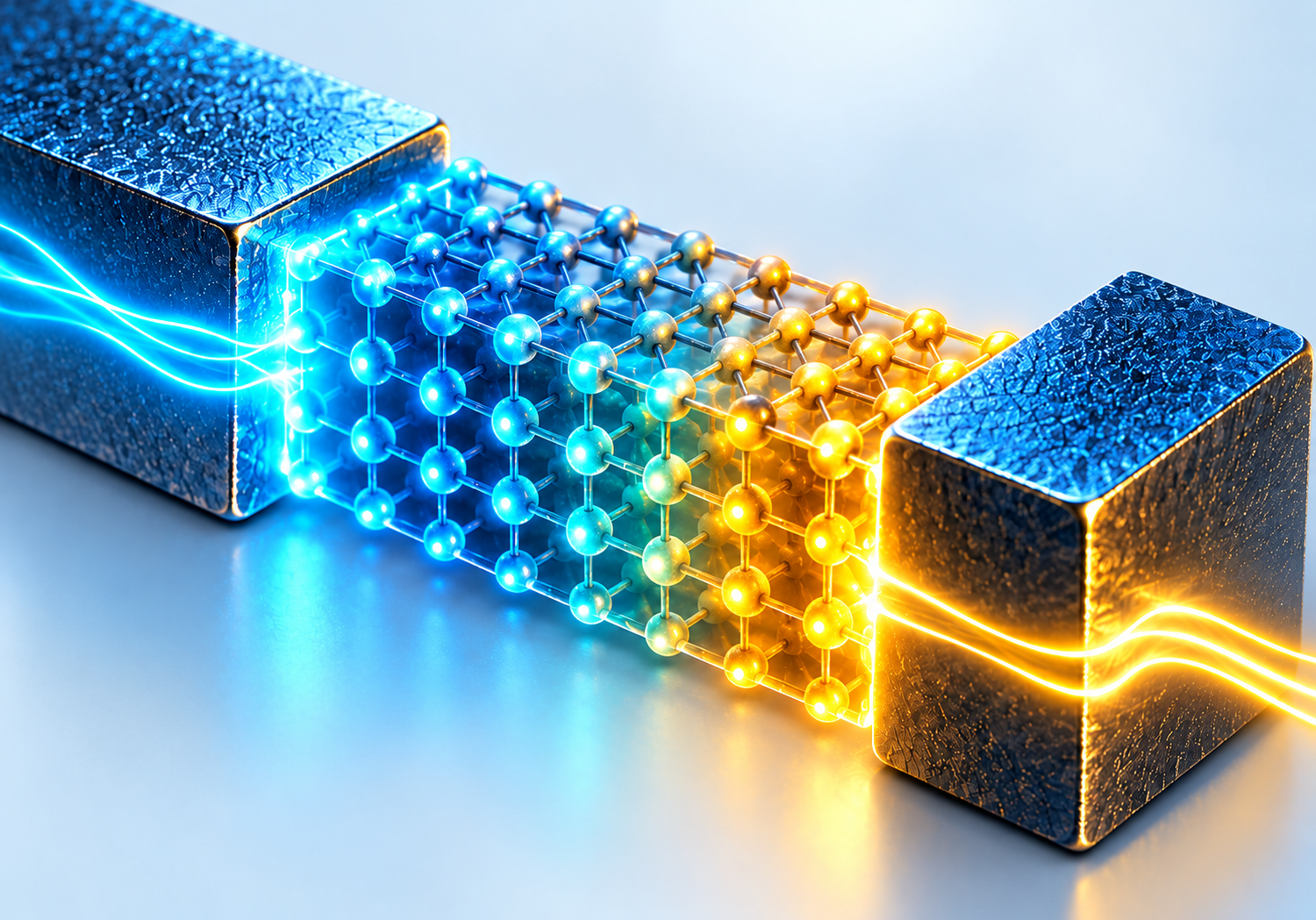
Memristive Systems
Memristive devices and networks that exploit history-dependent electrical responses, nonlinear dynamics, and internal state evolution to perform computation directly within materials and circuits. Particular interest lies in their potential for adaptive information processing, in-memory computing, and brain-inspired architectures.
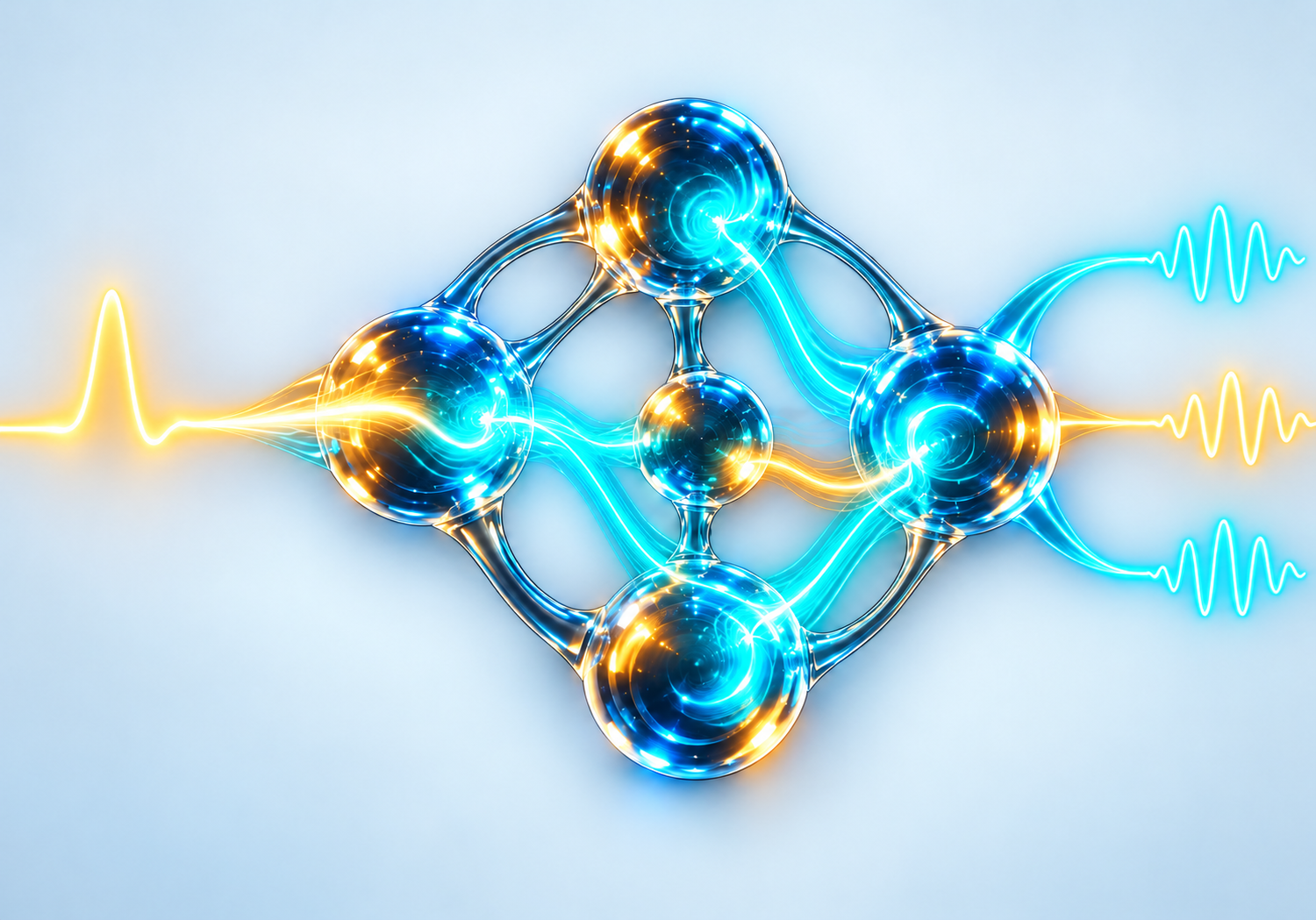
Neuromorphic Computing (Reservoir Computing)
Physical and hardware-based computational systems inspired by neural dynamics, with particular emphasis on reservoir computing and the exploitation of nonlinear, transient, and collective system responses. Applications include temporal information processing, pattern recognition, and learning in complex dynamical systems.

Edge Computing and Sensing
Computational approaches integrating sensing, signal processing, and decision-making within or close to the physical environment where data are generated. This area explores distributed intelligence, in-sensor computing, and resource-efficient information processing under real-world constraints.
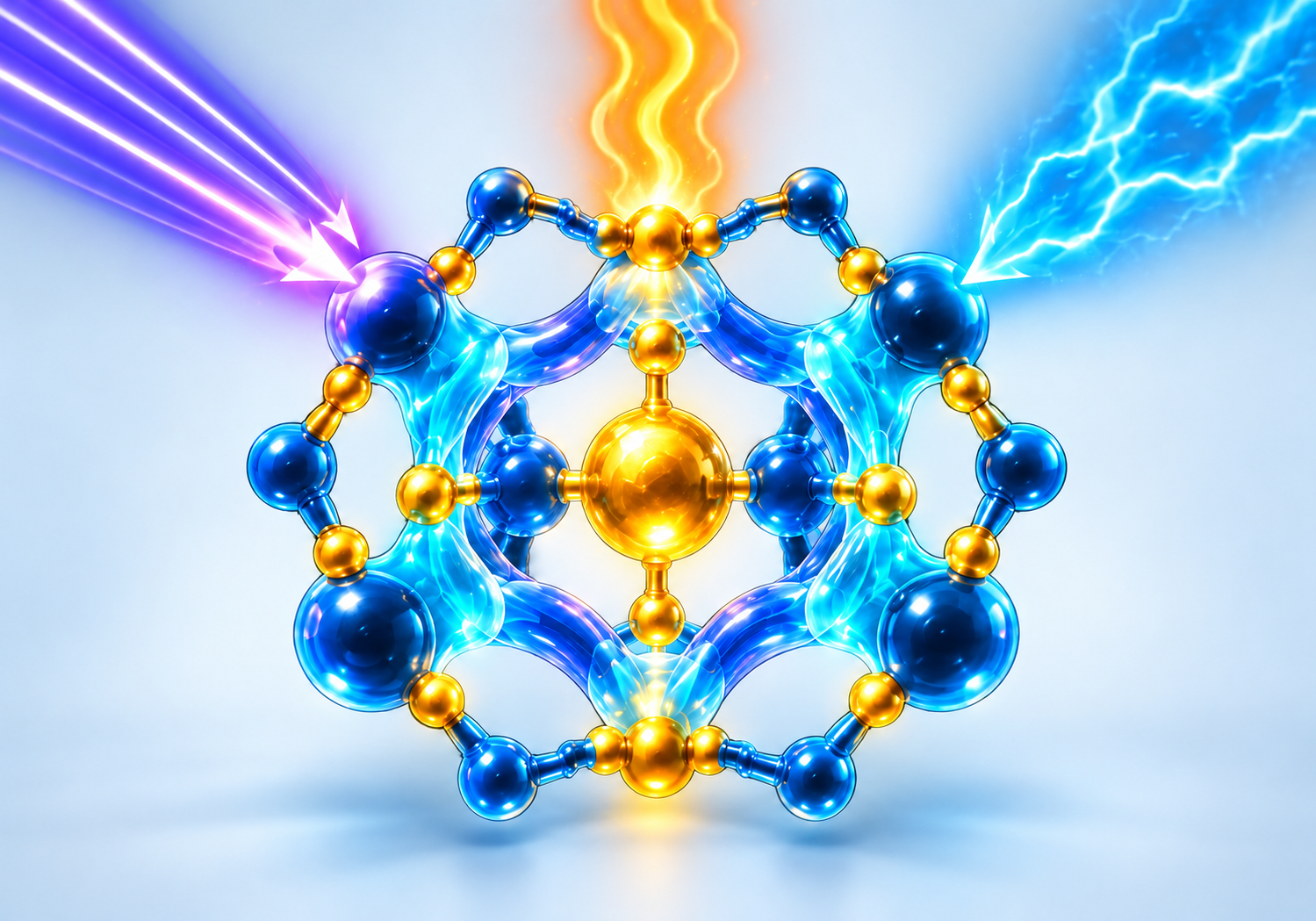
Molecular and Stimuli-Responsive Computing
Unconventional computational approaches that use molecular interactions, chemical reactions, and stimulus-responsive material transformations to encode, manipulate, and process information. These systems explore the computational potential of responses to electrical, optical, chemical, thermal, and mechanical stimuli.
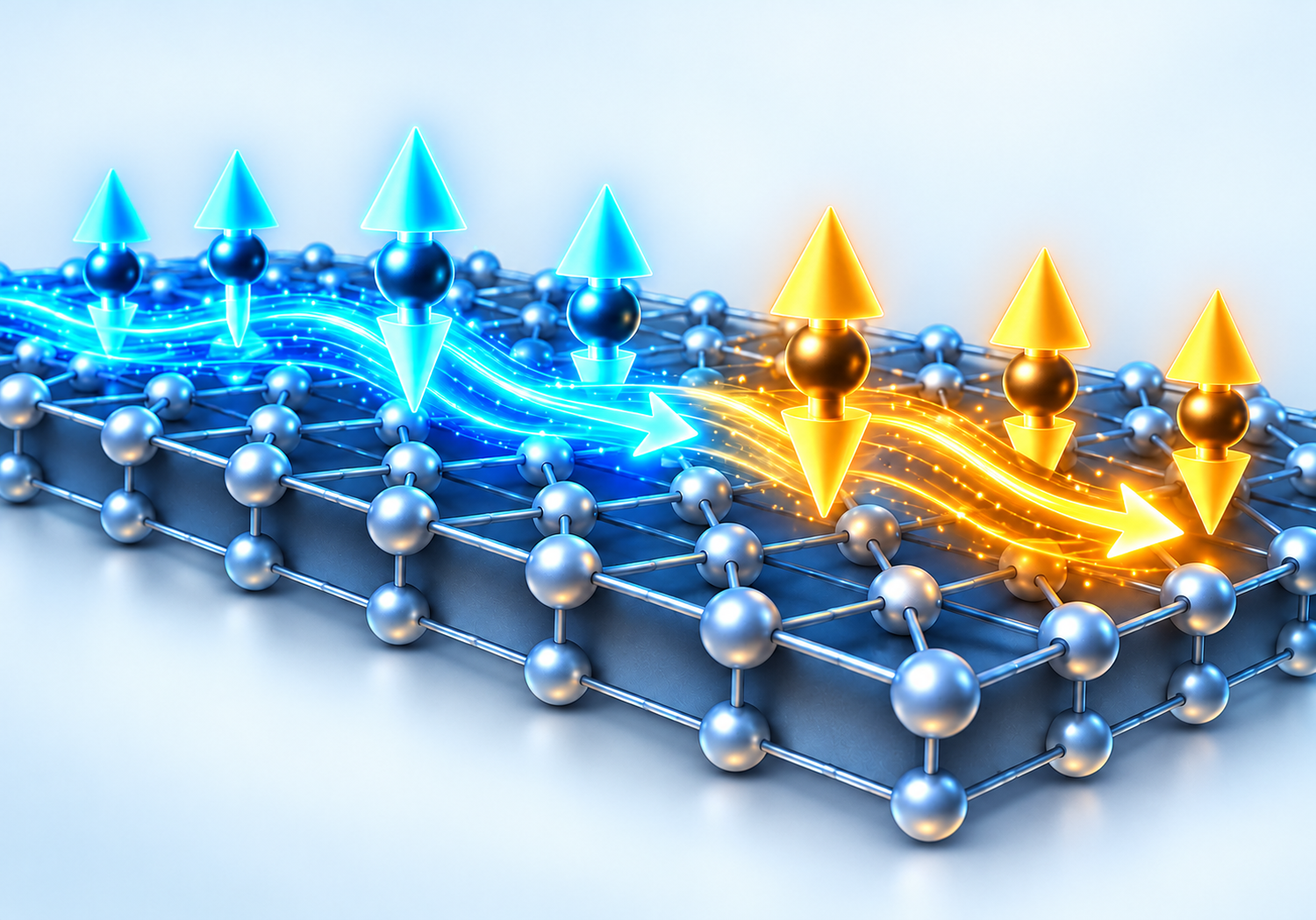
Spintronics-Based Computing
Computing paradigms that exploit electron spin and spin-dependent interactions to process and store information beyond conventional charge-based electronics. Emphasis is placed on spin dynamics, collective phenomena, and energy-efficient physical implementations of information processing.
Bio- and Soft-Matter Computing
Computing with biological systems and soft materials, including polymers, hydrogels, colloids, and biomolecular assemblies, by harnessing their intrinsic dynamics, nonlinearities, and emergent collective behavior. The focus is on understanding and exploiting physical and chemical processes as computational resources beyond conventional digital architectures.